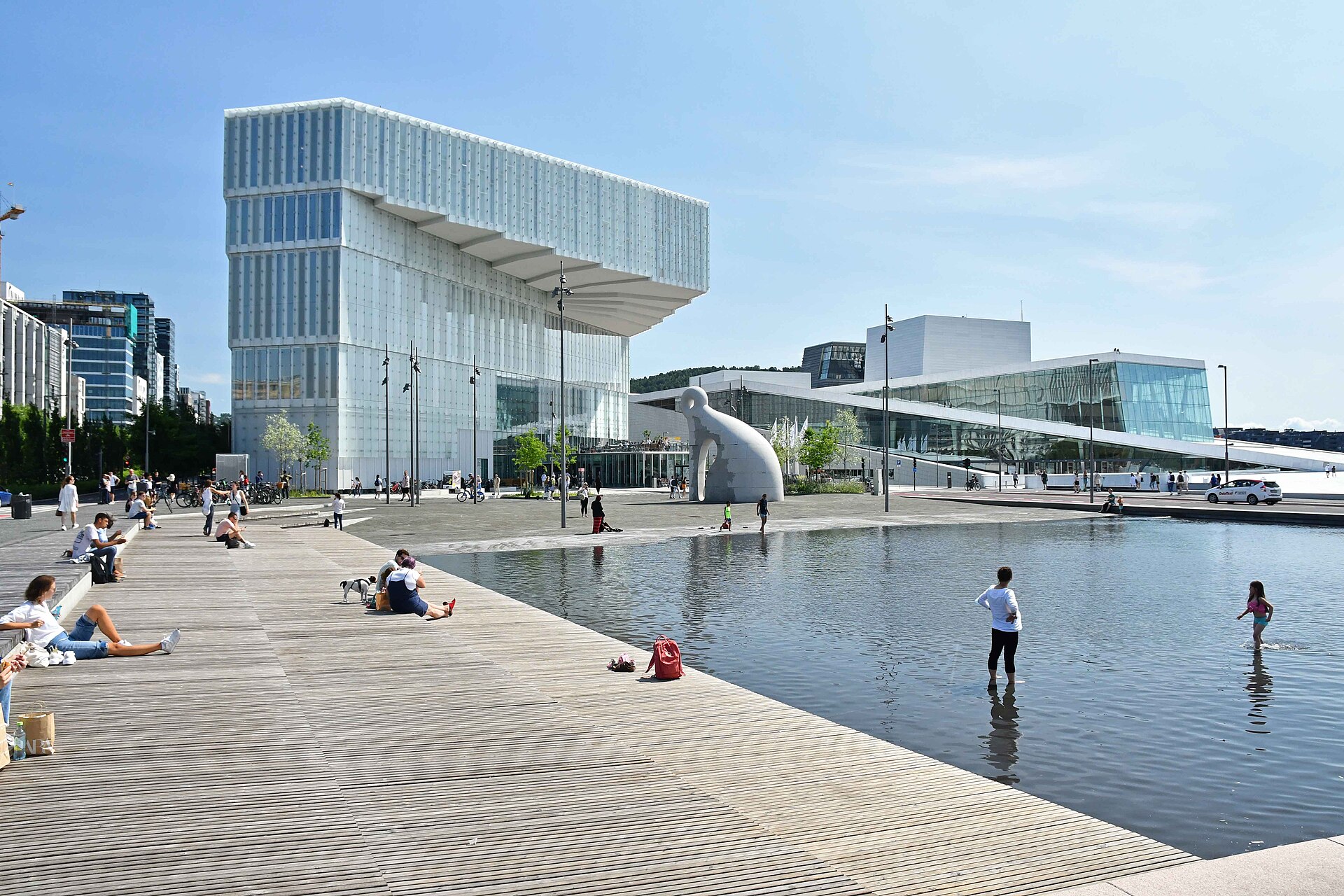
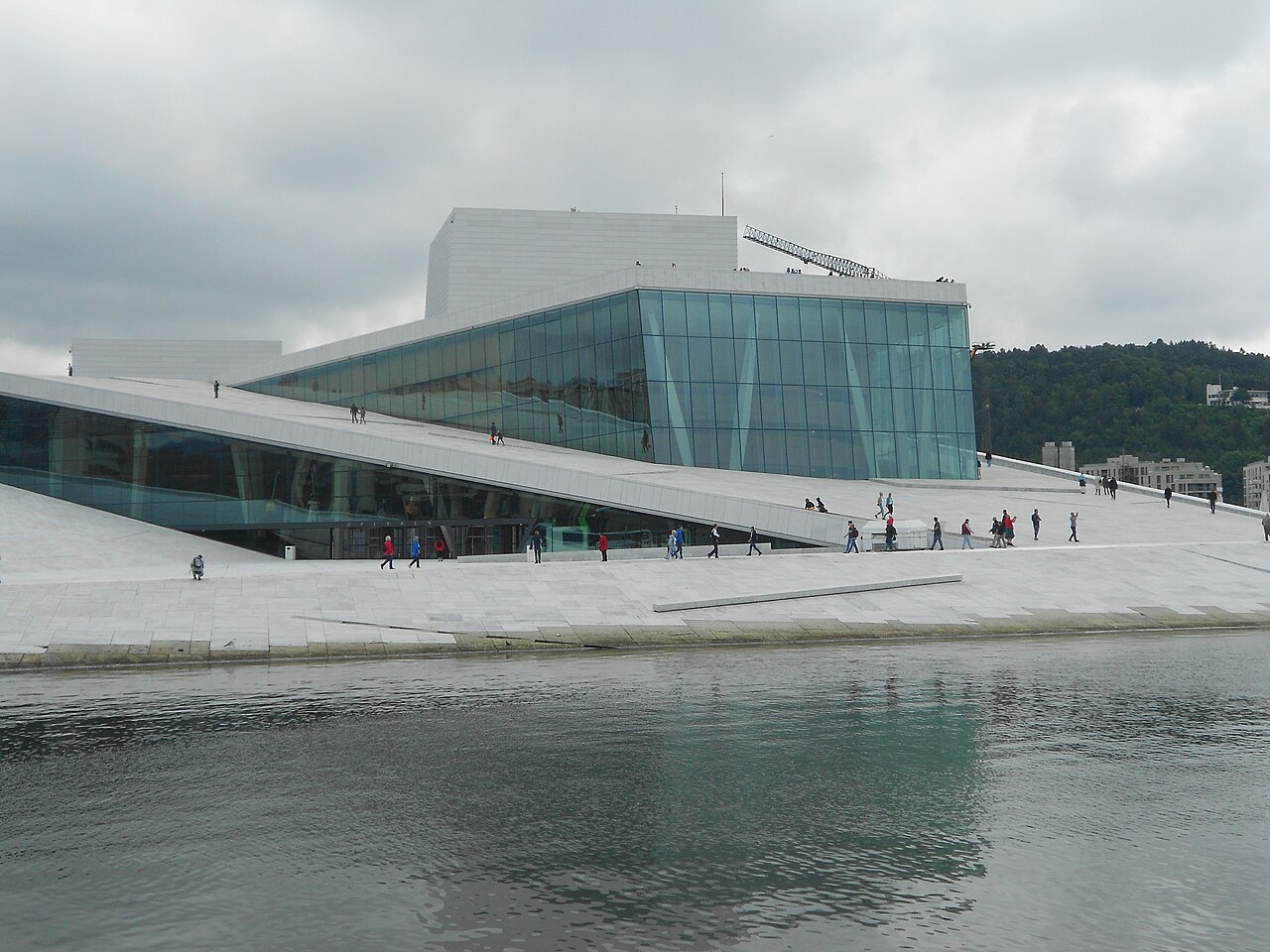
Oslo has two kinds of people: those who think the MUNCH tower looks like it is bowing politely to the Opera, and those who think it looks like it is about to fall on it. Both kinds went: 775,000 visitors in 2025, more than the museum was designed for.
The short answer: yes, MUNCH is worth it if you care about Munch or about museums as buildings, and if you plan your visit. Give it two hours, check which version of The Scream is on show, see one temporary exhibition and finish on the top floor. If you only have time for one art museum in Oslo, go to the National Museum first: it has the 1893 painted Scream.
What MUNCH does better than anywhere
- The whole Munch. The museum holds the largest Munch collection in the world, left to the city by the artist himself. You see the famous images and hundreds you've never heard of: late landscapes, experiments, self-portraits.
- The Screams. A painting, a drawing and a print, shown one at a time in rotation to protect them.
- The view. The upper floors look straight down the fjord. The bar on the 13th floor and the restaurant on the 12th are among the best-placed tables in town.
What it does less well
- The building divides people. Estudio Herreros' 60-metre tower, clad in perforated recycled aluminium, was called "comically menacing" by the Guardian's architecture critic.
- The rotating Scream. If you arrive and the painted version isn't on, it feels like a letdown. Many reviews say exactly that.
- 2026 is a difficult year. The city has asked the museum to save 40 million NOK over four years. It has cut about twenty jobs, raised ticket prices and warned it may reduce opening hours. Repairs to the roof and ventilation are also due. None of that spoils a visit, but check hours on the day.
{: .tip } Insider tip: go on a Wednesday to Saturday evening, when the museum is open until 21:00 and the light over the fjord is at its best from the top floor.
What's on this autumn
- Edvard Munch and the Chocolate Factory (until 11 October 2026): the murals Munch painted for the Freia chocolate factory's canteen, shown outside the factory for the first time. Art for workers' lunch breaks, and a rare chance.
- Katharina Grosse, Black Bed (25 September – 31 December 2026): the German painter worked in Munch's old studio at Ekely to make it.
- 22 October 2026: MUNCH turns five.
The practical bits
- Where: Edvard Munchs plass 1, Bjørvika, five minutes from the central station and next to the Opera
- Hours (2026, may change): Sunday–Tuesday 10:00–18:00, Wednesday–Saturday 10:00–21:00
- Tickets: adults 220 NOK, 18–25 years 100 NOK, under 18 free. Buy directly from the museum: travellers have reported problems with third-party resellers.
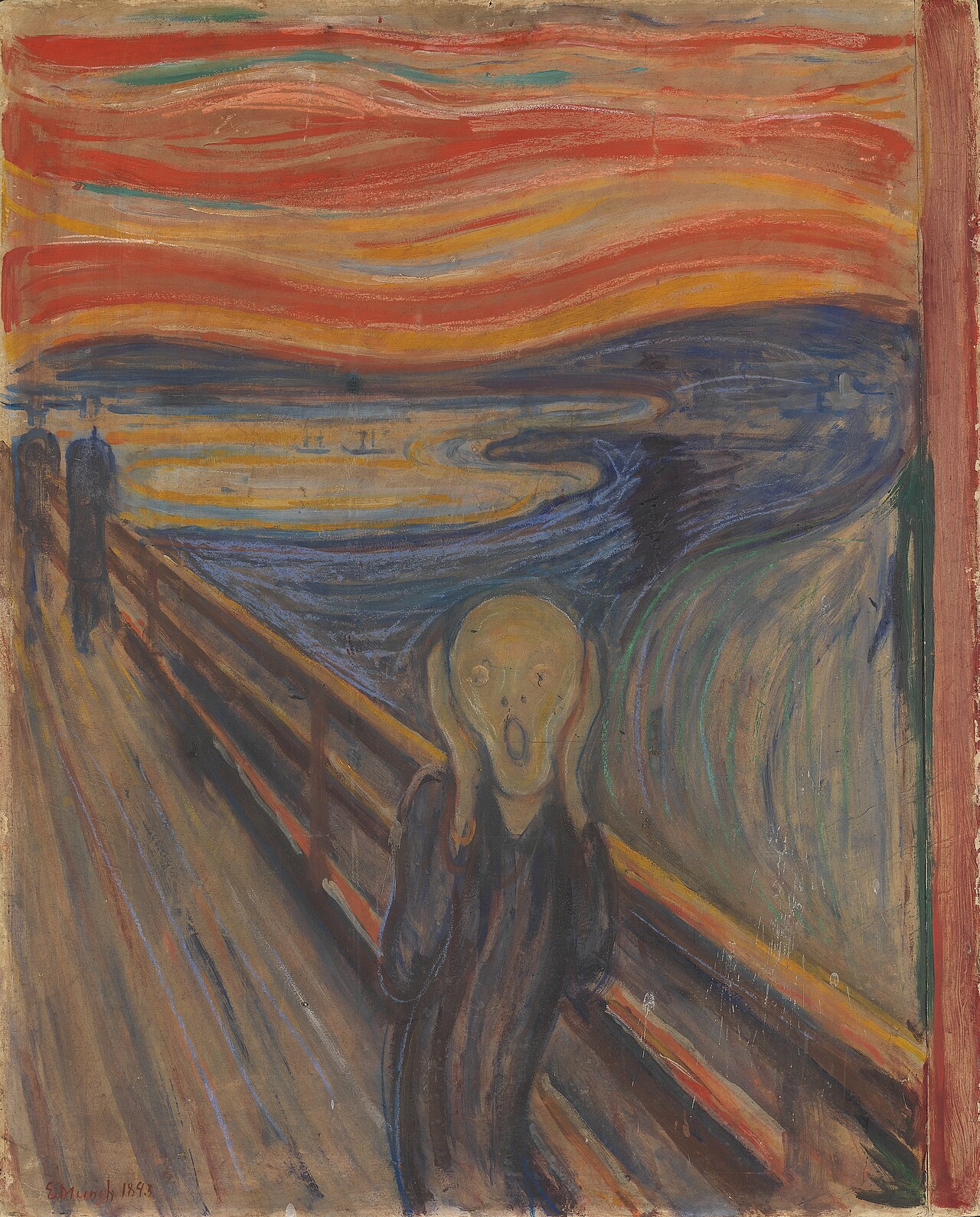
Munch, in depth: two hours at MUNCH, and The Scream at dusk
Two unhurried hours inside MUNCH with your own guide, only on summer evenings, when the museum allows it. 3 hours (Thursdays 3½), max 8 guests, from NOK 1 990.
See the routeOur verdict
If you love painting, MUNCH is essential and deserves half a day. If you want The Scream and nothing else, see the 1893 painting at the National Museum and admire the MUNCH tower from the Opera roof. And if you want Munch without the queues and the guesswork, that is why we built two walks: the Scandinavian painters at the National Museum, all year, and two unhurried hours inside MUNCH on summer evenings. More on where every Scream in Oslo hangs.
Quick answers
How long do you need at MUNCH?
Two hours for a good visit; ninety minutes if you focus on the Scream rotation, one temporary exhibition and the view.
Is MUNCH free on some days?
Entry has been free on Wednesday evenings (18:00–21:00) outside July and August. Check the current schedule, as the museum is reviewing hours in 2026.
Should I see MUNCH or the National Museum?
If you have time for one, see the National Museum: it has the 1893 painted Scream and the context of Norwegian art. If you love Munch, see both.